
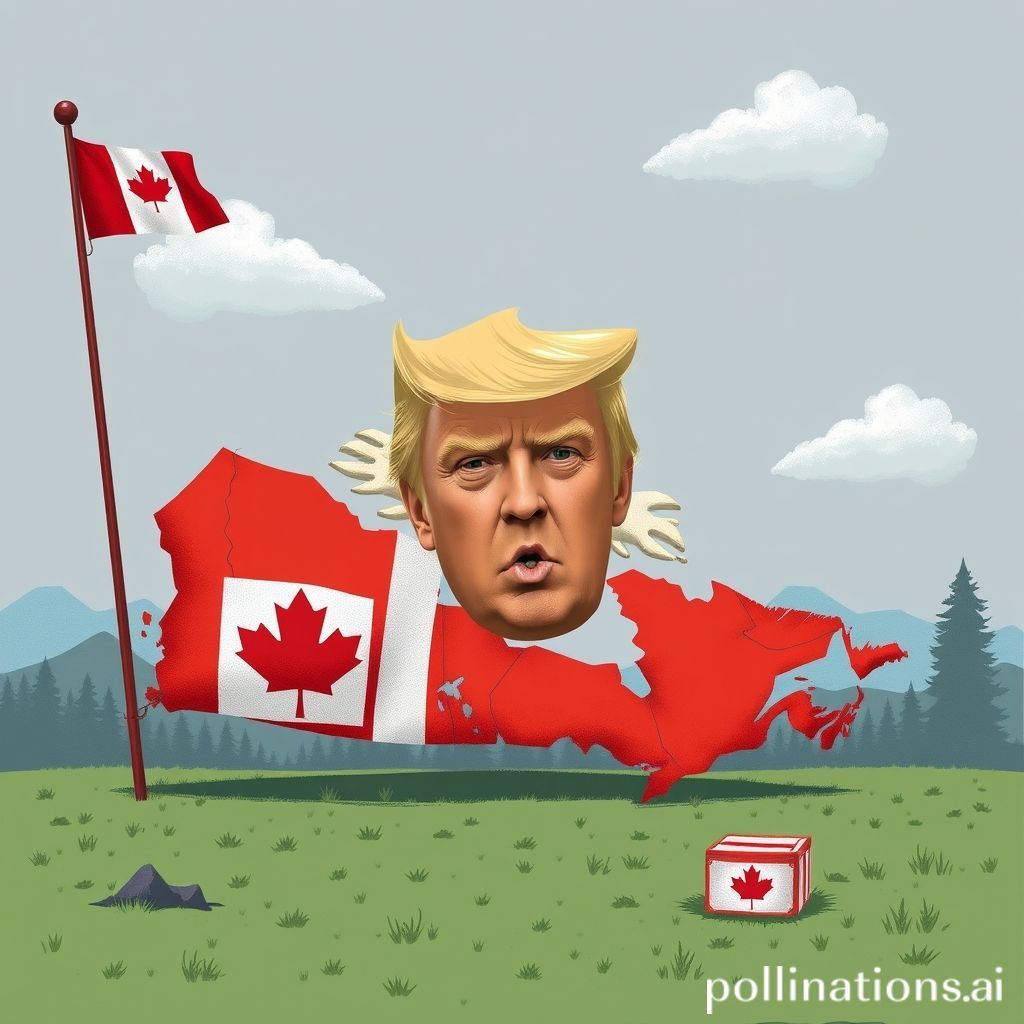
Trump Says He Has Terminated Trade Talks With Canada
Hey everyone! Grab a coffee, settle in, and let's unpack a pretty significant headline that's been making waves: Trump Says He Has Terminated Trade Talks With Canada. Now, before we jump to conclusions, let's delve into what this actually means and why it might not be quite as dramatic as it initially sounds.
Understanding the Nuances
First off, it's crucial to understand the context. When we hear "trade talks," it's easy to assume we're talking about something brand new. In reality, this statement refers to the ongoing discussions surrounding the USMCA, or United States Mexico Canada Agreement. This agreement, which effectively replaced NAFTA, has been in place since 2020.
So, what's the beef? Well, tensions have been simmering between the US and Canada regarding specific aspects of the agreement, primarily related to dairy and lumber. Trump's statement, while carrying a certain weight due to his past role as president, needs to be interpreted within this existing framework.
Diving Deeper: Dairy and Lumber
Let's break down these key points of contention.
Dairy: The US dairy industry has long argued that Canada's supply management system, which controls milk production and prices, unfairly restricts US access to the Canadian market. USMCA included provisions aimed at addressing this, but disagreements persist over the implementation and effectiveness of these provisions.
Lumber: For decades, the US and Canada have been locked in disputes over softwood lumber. The US alleges that Canadian lumber is unfairly subsidized, leading to artificially low prices that harm US producers. Canada, of course, denies these allegations.
The Implications: More Than Meets the Eye
So, what does Trump's statement really mean? It's likely a symbolic gesture, a way of signaling displeasure with the current state of affairs. It's important to remember that even without formal "trade talks," the USMCA remains in effect. Terminating "talks" doesn't automatically dismantle the entire agreement.
Here's a table to illustrate the key differences between NAFTA and USMCA:
| Feature | NAFTA | USMCA |
||||
| Auto Rules of Origin | 62.5% North American Content | 75% North American Content |
| Labor Provisions | Weak Enforcement | Stronger Enforcement, Including Rapid Response Mechanism |
| Intellectual Property | Weaker Protection | Stronger Protection for Pharmaceuticals and Copyright |
| Dispute Resolution | Less Stringent | More Stringent, Including State-to-State Dispute Mechanism |
| Dairy | Limited Access to Canadian Market | Increased Access, But Still Contested |
It's also worth considering the political motivations behind Trump's words. He has a history of using trade as a bargaining chip and making bold statements to exert pressure. This could be another instance of that strategy.
The Canadian Perspective
It's essential to consider how Canada is likely to respond. Historically, Canada has remained steadfast in defending its interests, particularly when it comes to its supply management system for dairy. They'll likely reiterate their commitment to the USMCA but also stand firm on protecting their domestic industries.
The Broader Context: Geopolitical Considerations
This development occurs within a broader geopolitical landscape. The US is currently engaged in trade tensions with other countries, and these situations can influence each other. A breakdown in trade relations with Canada could have ripple effects across the global economy.
What Happens Next?
It's difficult to predict the exact course of events. However, several scenarios are possible:
Negotiation: Despite Trump's statement, backchannel negotiations could continue to address the specific points of contention.
Dispute Resolution: The US could initiate a formal dispute resolution process under the USMCA to challenge Canada's dairy policies.
Escalation: The US could impose tariffs or other trade restrictions on Canadian goods, leading to retaliatory measures from Canada.
Looking Ahead: A Call for Perspective
Ultimately, Trump's statement serves as a reminder of the complexities and sensitivities surrounding international trade. It underscores the need for ongoing dialogue, compromise, and a willingness to find mutually beneficial solutions. Trade relationships are rarely static; they require constant tending and adjustments.
My Personal Reflection
Honestly, navigating these trade complexities often feels like trying to solve a Rubik's Cube blindfolded. There are so many interconnected pieces, and a move in one area can have unexpected consequences elsewhere. What strikes me most is the human element. These trade policies affect real people, real businesses, and real livelihoods. Finding solutions that are both economically sound and socially responsible is the challenge we face. We need to move beyond simplistic narratives and engage in thoughtful, informed discussions about the future of trade. It's not just about dollars and cents; it's about building a sustainable and equitable global economy.
Sources:
United States Mexico Canada Agreement (USMCA) Official Text
Office of the United States Trade Representative (USTR) Reports on USMCA Implementation
Soratemplates is a blogger resources site is a provider of high quality blogger template with premium looking layout and robust design


0 Comments:
Post a Comment