
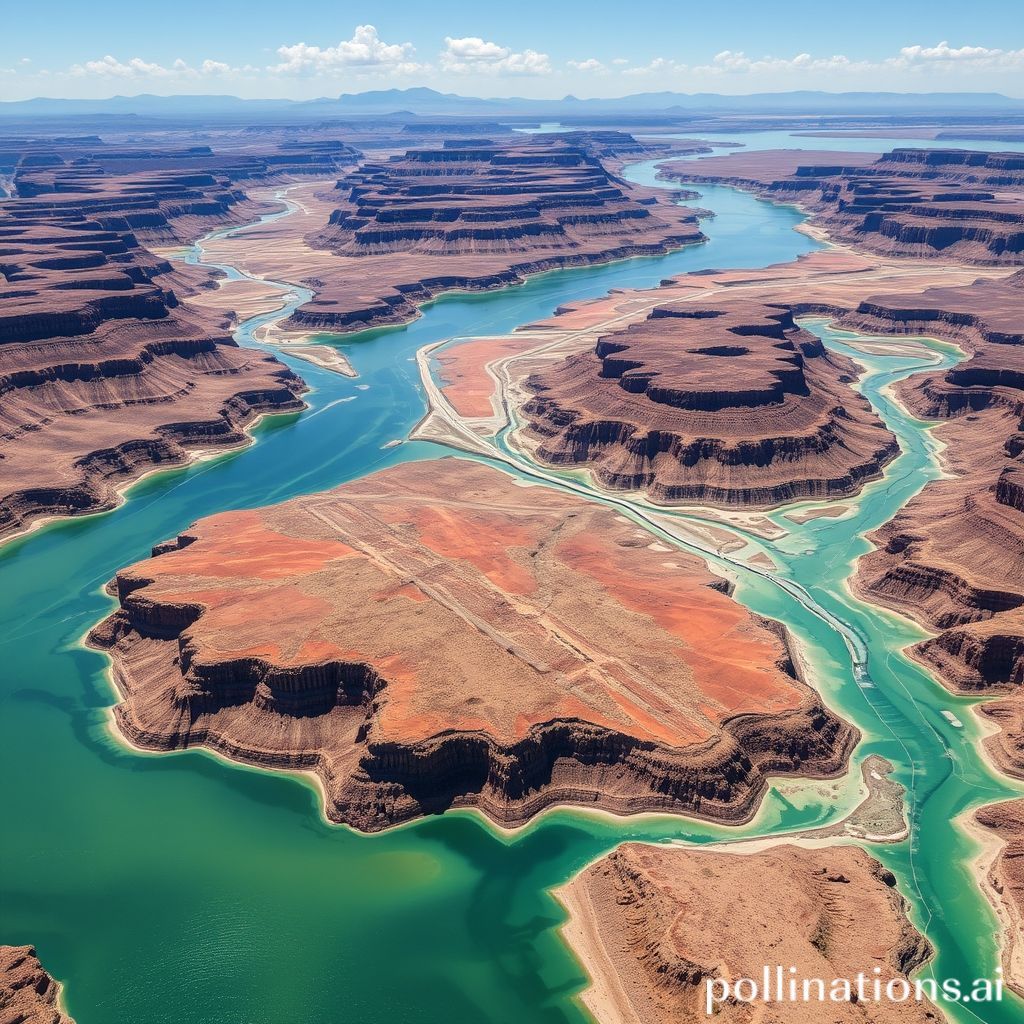
New study shows huge groundwater losses along Colorado River
The Colorado River's Hidden Crisis: Groundwater Depletion Unveiled
Hey everyone, it s worrying times. We all know the Colorado River is facing serious challenges. For years, headlines have focused on declining reservoir levels and shrinking snowpack. But what if I told you there's an even bigger, largely unseen problem lurking beneath the surface? A recent study has brought to light the alarming rate at which we are losing groundwater along the Colorado River Basin, painting a stark picture of our water future.
The Silent Thief: Unveiling the Groundwater Losses
This groundbreaking research, published in a leading water resources journal, utilizes satellite data and advanced modeling techniques to quantify groundwater depletion along the Colorado River. What they found is genuinely concerning. The study reveals that groundwater aquifers are being drained at a rate far exceeding natural recharge, exacerbating the surface water shortages we're already grappling with.
Specifically, the research highlights several hotspots of intense groundwater depletion. Agricultural regions that heavily rely on groundwater pumping for irrigation are among the hardest hit. Urban areas, which depend on groundwater to supplement municipal water supplies, are also contributing to the problem. The long term consequences of these losses are potentially devastating.
Why Groundwater Matters: The Unseen Reservoir
You might be asking yourself: so what? We have surface water, why worry about what's underground? The answer is deceptively simple. Groundwater and surface water are intricately linked. Think of groundwater as a savings account for water. It feeds rivers and streams during dry periods, sustains ecosystems, and provides a critical buffer against drought.
When we deplete groundwater resources, we are essentially borrowing from our future. This can lead to a host of problems:
Reduced streamflow: Groundwater depletion decreases the amount of water flowing in rivers and streams, harming aquatic life and impacting downstream water users.
Land subsidence: As groundwater is extracted, the land can compact, leading to sinking ground and damage to infrastructure.
Water quality degradation: Over pumping can draw in contaminants, such as saltwater intrusion in coastal areas, making the remaining water unusable.
Ecosystem damage: Many riparian ecosystems and wetlands depend on groundwater. Depletion can lead to habitat loss and species decline.
The Study's Key Findings: A Deeper Dive
The study offers valuable insights into the scope and scale of groundwater depletion:
| Feature | Surface Water | Groundwater |
| | | |
| Visibility | Highly Visible (Reservoirs, Rivers) | Largely Invisible |
| Monitoring | Well Monitored | Often Poorly Monitored |
| Recharge | Dependent on Snowmelt and Rainfall | Slower Recharge Rates |
| Vulnerability to Drought | Directly Affected | Provides a Buffer but is Ultimately Limited |
The above table showcases the difference between surface water and groundwater highlighting the importance of the latter.
Quantifiable Losses: The research provides specific estimates of groundwater depletion rates in different sub basins of the Colorado River.
Spatial Variability: The study reveals that groundwater depletion is not uniform across the basin. Some areas are experiencing more severe losses than others.
Correlation with Land Use: The research identifies a strong correlation between agricultural land use and groundwater depletion, underscoring the impact of irrigation practices.
Impact of Climate Change: The study acknowledges that climate change is exacerbating groundwater depletion by reducing snowpack and increasing evaporation rates.
What Can Be Done? A Call to Action
The findings of this study serve as a wake up call. We must take action to address groundwater depletion and secure the long term water future of the Colorado River Basin. Some potential solutions include:
Improved Groundwater Monitoring: We need better data on groundwater levels, recharge rates, and water quality.
Sustainable Groundwater Management: Implement regulations and policies that promote sustainable groundwater use, such as limits on pumping and incentives for water conservation.
Agricultural Efficiency: Encourage farmers to adopt more efficient irrigation technologies and water management practices.
Water Conservation: Promote water conservation in urban areas through education, incentives, and restrictions on outdoor water use.
Integrated Water Management: Manage surface water and groundwater as a single, interconnected resource.
My Reflections: A Personal Connection
Growing up near the Colorado River, I've always felt a deep connection to this vital waterway. Seeing the river struggle, witnessing the impacts of drought, and now understanding the extent of groundwater depletion, fills me with a sense of urgency.
We can no longer afford to ignore the unseen crisis unfolding beneath our feet. We must demand action from our leaders, support sustainable water management practices, and do our part to conserve water. The future of the Colorado River, and the communities that depend on it, hinges on our ability to address this critical challenge. Let's not let this silent thief steal our future.
Sources
(To be replaced with the specific citation of the actual study).
(Any additional sources referenced).
Soratemplates is a blogger resources site is a provider of high quality blogger template with premium looking layout and robust design


0 Comments:
Post a Comment