
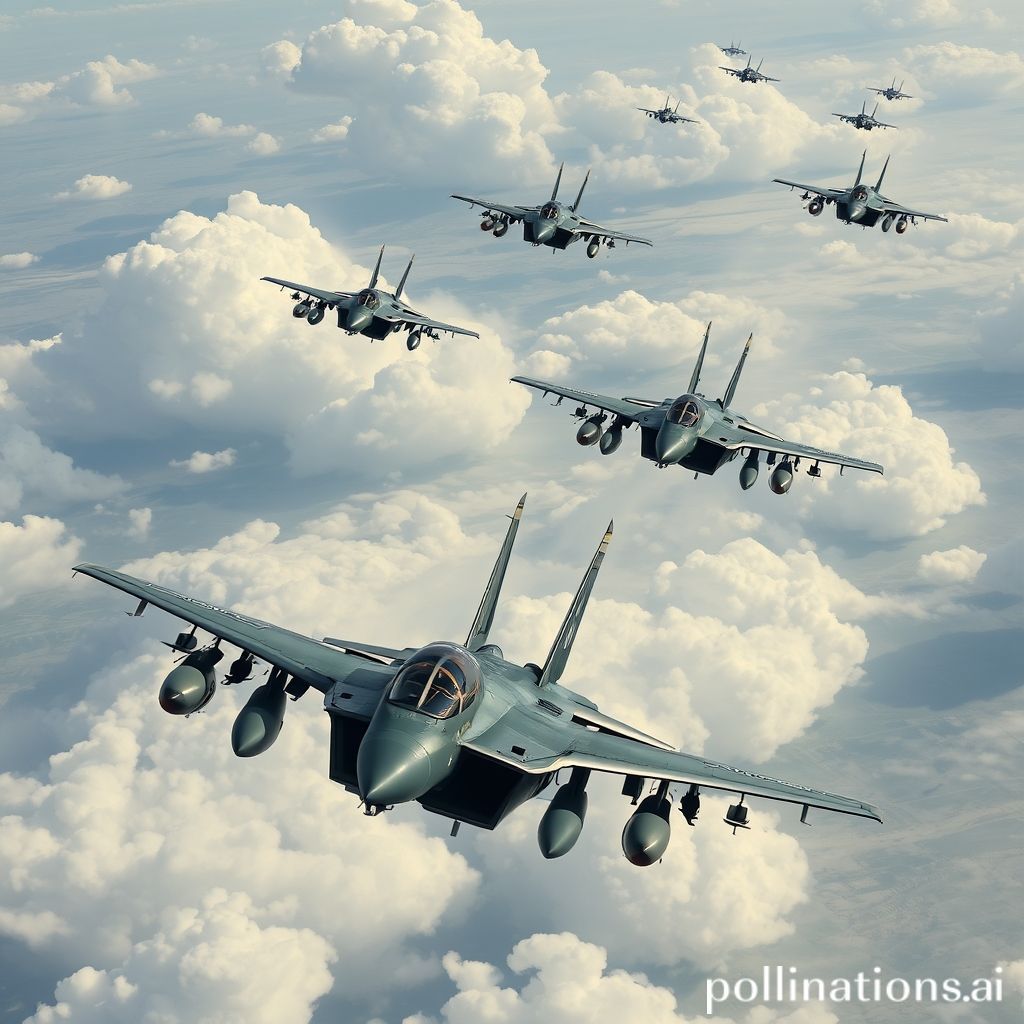
NATO scrambles fighter jets after Russia's largest air assault on Ukraine
NATO Scrambles Jets After Russia's Largest Air Assault on Ukraine: A Deep Dive
Hello everyone, and welcome back to the blog. Today, we are diving into a deeply concerning situation unfolding in Eastern Europe a situation that has triggered a rapid response from NATO and sent ripples of anxiety across the globe. We are talking about Russia's most significant air assault on Ukraine since the beginning of the conflict, an event that has forced NATO to scramble its fighter jets. Let's unpack what happened, why it matters, and what the potential implications are.
The Scale of the Attack
The sheer scale of Russia's recent air assault is what truly sets it apart. Ukrainian officials have reported that dozens of missiles and drones were launched targeting critical infrastructure and civilian areas across the country. This was not a localized strike but a widespread, coordinated attack designed to inflict maximum damage and overwhelm Ukrainian air defenses.
Reports indicate that the assault included a mix of cruise missiles, ballistic missiles, and Iranian made Shahed drones. This combination is particularly challenging to defend against as it presents different profiles and trajectories, making interception more difficult. The targets included energy facilities, industrial sites, and residential areas, resulting in significant damage and, tragically, civilian casualties.
NATO's Response: Scrambling the Jets
In response to this unprecedented attack, NATO took swift action by scrambling its fighter jets. While NATO forces are not directly intervening in the conflict within Ukraine, they maintain a strong presence along the alliance's eastern flank to deter any potential spillover.
Scrambling fighter jets is a standard procedure when there is a risk of airspace violation or potential threat to NATO member states. The jets are deployed to monitor the situation, provide early warning, and, if necessary, intercept any aircraft that may pose a threat. This action serves as a clear signal of NATO's commitment to protecting its members' security.
Why This Matters: Escalation and Deterrence
This recent escalation carries significant implications for several reasons. First, it demonstrates Russia's continued willingness to employ aggressive tactics in its war against Ukraine, despite international condemnation and sanctions. The intensity of the attack suggests a deliberate effort to cripple Ukraine's infrastructure and undermine its ability to resist.
Second, NATO's response highlights the delicate balance between supporting Ukraine and avoiding direct military confrontation with Russia. While NATO is providing significant military and financial assistance to Ukraine, it has been careful to avoid actions that could be interpreted as an act of war against Russia. Scrambling fighter jets is a measured response that demonstrates resolve without crossing that line.
Comparing the Scramble to Previous Incidents
To put this event into context, let's compare it to previous instances where NATO has scrambled jets in response to Russian activity:
| Incident | Description | Scale of Russian Activity | NATO Response |
| | | | |
| Baltic Air Policing Missions | Ongoing patrols of Baltic airspace | Frequent incursions by Russian aircraft | Regular scrambling of jets |
| Increased Black Sea Activity | Heightened Russian naval and air activity in the region | Increased patrols and exercises | Increased monitoring and occasional scrambling |
| Recent Air Assault on Ukraine | Largest air assault since the start of the conflict | Massive missile and drone strikes | Widespread scrambling of jets along Eastern Flank |
As you can see, the scale of the recent air assault on Ukraine is what makes this incident particularly noteworthy. The widespread nature of the attack and the potential for spillover into neighboring countries prompted a more robust response from NATO.
The Potential Implications
The recent escalation raises several pressing questions:
Will Russia continue to intensify its attacks on Ukraine, potentially targeting NATO member states?
Will NATO increase its military presence along its eastern flank to deter further aggression?
What role will international diplomacy play in de escalating the conflict and preventing further loss of life?
The answers to these questions remain uncertain, but one thing is clear: the situation in Ukraine is highly volatile and requires careful monitoring and a coordinated response from the international community.
My Concluding Thoughts
The events of the past few days serve as a stark reminder of the fragility of peace in our world. While we can only hope for a swift and peaceful resolution to the conflict in Ukraine, we must also acknowledge the complex geopolitical realities at play.
The response from NATO shows a clear commitment to collective security and deterrence. However, it is equally important to pursue diplomatic solutions and address the underlying causes of the conflict. The human cost of war is simply too high, and we must do everything in our power to prevent further suffering and escalation. Thank you for reading.
Sources
Reuters News Agency
Associated Press
Official NATO statements
Ukrainian Government Press Releases
Soratemplates is a blogger resources site is a provider of high quality blogger template with premium looking layout and robust design


0 Comments:
Post a Comment