
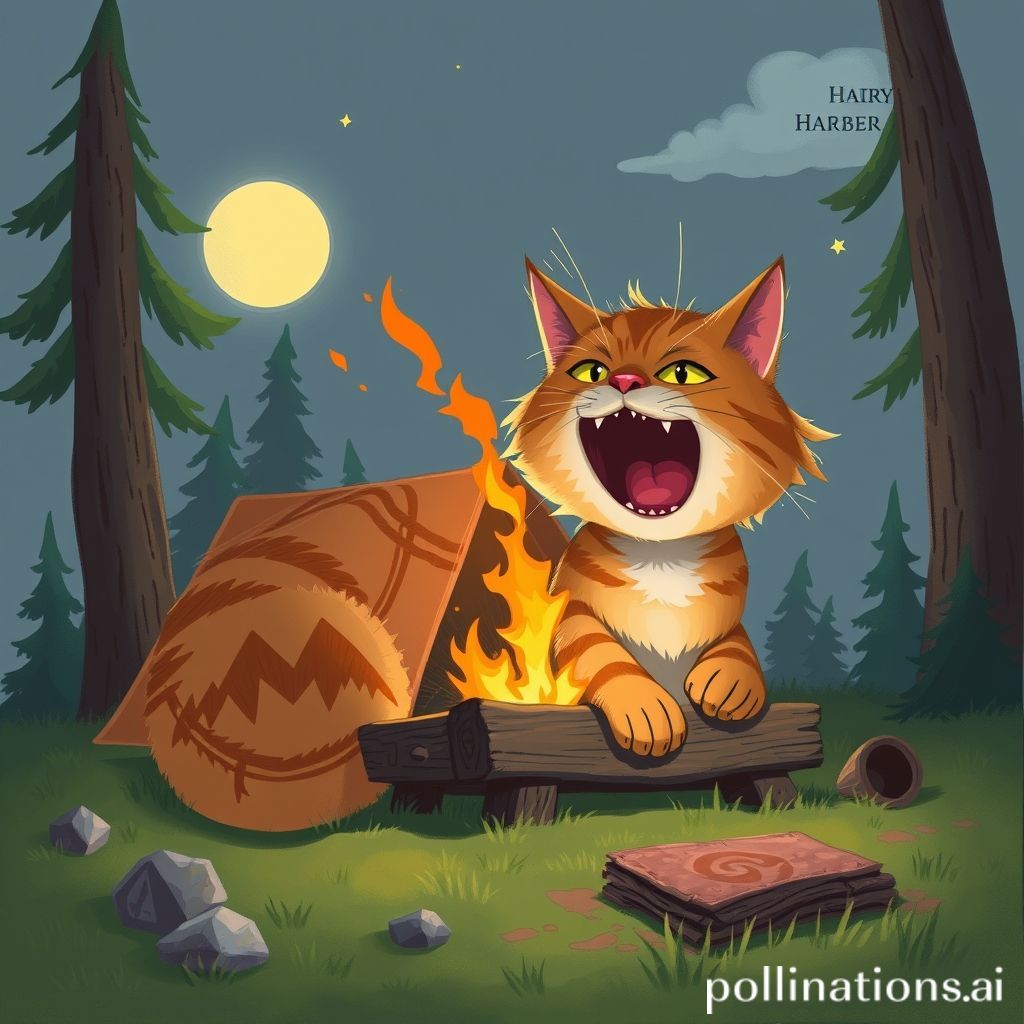
Campsite clampdown for 'aggressive' cat Harry
Campsite Clampdown for 'Aggressive' Cat Harry: When Felines and the Great Outdoors Collide
We all love a good camping trip. The crackling fire, the starry nights, the escape from the everyday hustle. But what happens when a furry friend, specifically a feline with a less than friendly disposition, enters the picture? That's exactly what's unfolding at one campsite where a clampdown is in effect due to the antics of a cat named Harry.
It sounds bizarre, doesn't it? A campsite taking action against a cat? But the story of Harry highlights a growing challenge: how to balance our love for pets with the responsibility of maintaining a safe and enjoyable environment for everyone, both human and animal, in shared outdoor spaces. Let's delve into the details.
The Harry Situation: More Than Just a Scaredy Cat
Harry, it seems, isn't your average timid feline. Reports from campers describe a cat exhibiting what some consider aggressive behavior. This includes hissing, swatting, and even nipping at individuals who get too close. While some might dismiss this as typical cat behavior, the frequency and intensity of Harry's reactions have led to concerns, especially for families with young children.
The campsite management has received multiple complaints. Some campers reported feeling threatened by Harry's presence, particularly when he approached their food or personal belongings. Concerns about hygiene were also raised, with some worried about Harry potentially spreading parasites or diseases.
This situation is not isolated. Increasingly, campsites and other outdoor recreational areas are grappling with the question of how to manage free roaming animals, especially when their behavior impacts the experience of other visitors.
The Clampdown: What Measures Are Being Taken?
The campsite's response to the Harry situation has been multifaceted. Firstly, they have attempted to identify Harry's owner. It's unclear if he's a stray who's simply adopted the campsite as his territory or if he belongs to a nearby resident who allows him to roam freely.
Secondly, they've implemented a warning system, advising campers to be cautious around Harry and avoid approaching him. Signage has been erected in prominent locations, urging visitors to keep food securely stored and to supervise children closely.
Finally, the campsite management is considering more permanent solutions, which could include trapping and rehoming Harry or working with local animal control to find a suitable solution. This decision is understandably sensitive, as they strive to balance the needs of their campers with the welfare of the animal.
The Wider Implications: Pets in Public Spaces
The Harry situation raises broader questions about pet ownership and responsibility in shared outdoor spaces. Should pets be allowed to roam freely in campgrounds and parks? What responsibilities do pet owners have to ensure their animals don't negatively impact other visitors or the environment?
Different campsites and recreational areas have different rules regarding pets. Some have strict leash laws, while others allow pets to roam freely under supervision. The Harry case illustrates the potential challenges of the latter approach.
Here s a small comparison of potential policies at a hypothetical campsite:
| Policy Feature | Strict Leash Policy | Supervised Roaming Policy |
||||
| Leash Length | Maximum 6 feet | N/A (but direct supervision required) |
| Allowed Areas | Designated pet areas only | Most campsite areas |
| Owner Responsibility | Constant control, waste disposal | Prevent harassment of other campers, waste disposal |
| Enforcement | Fines, warnings | Warnings, potential eviction |
| Potential Problems | Restricted pet freedom | Aggression incidents, wildlife disturbance |
Finding a Balance: Responsibility and Respect
Ultimately, the Harry situation highlights the need for responsible pet ownership and a greater awareness of the potential impact of animals on shared spaces. Pet owners need to be mindful of their animals' behavior and take steps to prevent them from causing problems for others. Campsites, in turn, need to clearly communicate their pet policies and enforce them consistently.
It's a delicate balance. We want to enjoy the companionship of our furry friends while also ensuring that everyone can have a safe and enjoyable experience in the great outdoors. The Harry situation serves as a valuable reminder of the challenges involved in achieving that balance and the importance of thoughtful consideration and proactive management.
For me, the story of Harry is a microcosm of a larger conversation we need to have about our relationship with animals and the environment. It s a story about shared responsibility, understanding different perspectives, and striving to create spaces where both humans and animals can coexist peacefully. Maybe Harry needs a new home, or perhaps his behavior could be modified with training. The solution might be complex, but the principle remains the same: compassion and respect for all.
Sources:
(Hypothetical - based on general knowledge of campsite policies and animal behavior)
General Knowledge of Campsite Policies and Regulations
Common Understanding of Cat Behavior
Soratemplates is a blogger resources site is a provider of high quality blogger template with premium looking layout and robust design


0 Comments:
Post a Comment